 Skip to content
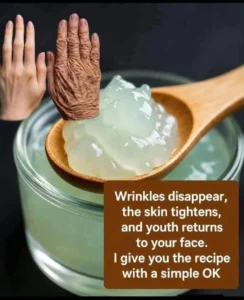
Everyone wants healthy, smooth, glowing skin that looks fresh and youthful. As we get older, however, our skin naturally begins to change. Fine lines appear around the eyes, wrinkles become more noticeable on the forehead, and the skin may gradually lose some of its firmness and elasticity. For many people, these changes can affect confidence and make them feel that their face looks older or more tired than they feel inside. Wrinkles disappear, skin tightens, and youth returns to your face!
The good news is that you do not necessarily need expensive beauty treatments or complicated skincare routines to improve the appearance of aging skin. A combination of gentle skincare, proper hydration, sun protection, healthy eating, and a few evidence-based ingredients can help your skin look smoother, brighter, and healthier.
Although no homemade remedy can completely erase deep wrinkles or permanently restore youthful skin, simple daily habits can make a noticeable difference over time.
Let’s explore what causes wrinkles, how to improve skin firmness, and which natural and dermatologist-recommended methods can help your face maintain a fresh, youthful appearance.
Why Do Wrinkles and Fine Lines Appear?
Wrinkles are a natural part of aging. Our skin changes throughout life because of several biological and environmental factors.
One of the most important factors is the gradual decline in collagen and elastin production.
Collagen is a protein that provides structure and support to the skin, while elastin helps skin stretch and return to its original shape. When the production of these proteins decreases, the skin may become thinner, less elastic, and more likely to develop visible lines.
Several factors contribute to the development of wrinkles:
1. Natural Aging: As we grow older, the skin gradually loses collagen, elastin, and natural oils. This can make fine lines and wrinkles more noticeable.
2. Sun Exposure: Ultraviolet (UV) radiation is one of the leading causes of premature skin aging. Years of unprotected sun exposure can contribute to wrinkles, dark spots, and loss of skin firmness.
3. Dehydration: When the skin becomes dehydrated, fine lines may appear more noticeable. Proper moisturizing can temporarily make the skin look smoother and more comfortable.
4. Smoking: Smoking damages skin structure and contributes to premature aging. It can also reduce the skin’s natural ability to repair itself.
5. Facial Expressions: Repeated movements such as smiling, squinting, and frowning can contribute to expression lines over time.
6. Poor Sleep and Stress: Inadequate sleep and ongoing stress can affect overall skin health, making the face appear tired, dull, or less refreshed.
Understanding these causes is the first step toward choosing a skincare routine that actually works.
Can You Really Make Wrinkles Disappear Naturally?
You may have seen videos and articles promising that a single kitchen ingredient can erase wrinkles overnight. While these claims can sound exciting, the truth is more complicated.
Natural ingredients can sometimes help moisturize the skin, improve its appearance, and support a healthy skin barrier. However, they cannot reliably rebuild lost collagen or eliminate deep wrinkles.
For example, ingredients such as aloe vera, honey, and oatmeal can be useful in moisturizing or soothing certain types of skin. They may help improve dryness and make the skin appear softer.
However, visible improvements in wrinkles generally require consistent skincare and realistic expectations.
The goal should be healthier, more hydrated, and better-protected skin rather than expecting a miracle transformation.
5 Natural Ingredients That Can Help Your Skin Look Healthier
Certain natural ingredients are popular in skincare because of their moisturizing and soothing properties.
Here are five options you can consider as part of a gentle skincare routine.
1. Aloe Vera
Aloe vera is widely used in skincare products because of its soothing and moisturizing properties.
Its gel contains water and various plant compounds that can help provide temporary hydration and comfort to the skin.
When skin becomes dry, fine lines can appear more pronounced. A suitable aloe vera gel may help reduce that dry appearance.
How to use it:
- Choose a fragrance-free aloe vera gel formulated for facial use.
- Apply a small amount to clean skin.
- Allow it to absorb.
- Follow with a moisturizer if needed.
Always perform a patch test before applying a new product to your face. Some people experience irritation or allergic reactions to aloe vera.
2. Honey
Honey is a natural humectant, meaning it can help attract and retain moisture.
It is also used in some cosmetic formulations for its skin-conditioning properties.
A properly formulated honey-based skincare product may help dry skin feel softer and more comfortable.
How to use it:
Choose a gentle facial cleanser or moisturizer containing honey. If you prefer a homemade application, use a small amount of plain honey on a small test area first, and rinse thoroughly.
Avoid applying honey if you have a known allergy to bee-related products.
3. Oatmeal
Oatmeal is particularly helpful for people who experience dryness or sensitive skin.
Colloidal oatmeal, which is finely ground oatmeal prepared for skincare, is used in many moisturizers because it can soothe irritation and support the skin barrier.
How to use it:
- Look for a fragrance-free moisturizer containing colloidal oatmeal.
- Apply it after washing your face.
- Use it regularly if your skin tolerates it.
Healthy skin barriers help maintain moisture and protect the skin from environmental irritation.
4. Green Tea
Green tea contains antioxidants known as polyphenols, including catechins.
Antioxidants help protect against oxidative stress, which is one of the processes involved in skin aging.
Green tea extracts are included in some skincare formulations because of their antioxidant properties.
How to use it:
Consider a commercially formulated green tea serum or moisturizer. Choose products designed for facial use rather than applying concentrated extracts directly to your skin.
5. Rosehip Oil
Rosehip oil is a plant-derived oil containing fatty acids that help condition the skin.
It can be useful for people with dry skin who want additional moisture.
Some rosehip products also contain naturally occurring carotenoids and vitamin-related compounds, although the amount varies.
How to use it:
- Apply two or three drops to slightly damp skin.
- Gently spread without rubbing aggressively.
- Follow with your regular moisturizer if necessary.
If you have acne-prone or sensitive skin, introduce facial oils slowly and discontinue use if irritation develops.
The Most Effective Skincare Ingredients for Fine Lines and Wrinkles
Natural ingredients can support hydration, but certain scientifically studied skincare ingredients have stronger evidence for improving visible signs of aging.
1. Retinol
Retinol is a vitamin A derivative commonly used in anti-aging skincare.
It can help improve skin texture, encourage skin-cell turnover, and reduce the appearance of certain fine lines with consistent use.
However, retinol can cause dryness, redness, peeling, and irritation, especially when first introduced.
How to use it:
- Begin with a low-strength product.
- Apply it two nights per week initially.
- Use a small amount on dry skin.
- Increase frequency gradually if your skin tolerates it.
- Apply moisturizer afterward.
Retinoids should generally be avoided during pregnancy. Ask a healthcare professional before using them while breastfeeding.
2. Vitamin C
Vitamin C is an antioxidant that helps protect the skin from oxidative damage.
It also plays an important role in collagen production.
A well-formulated vitamin C serum may help improve the appearance of uneven skin tone, dullness, and some signs of sun damage.
Apply it in the morning before moisturizer and sunscreen, following the product instructions.
3. Hyaluronic Acid
Hyaluronic acid is a popular moisturizing ingredient that attracts and holds water.
It helps the skin look more hydrated and temporarily plumper, which can make fine lines less noticeable.
It is generally suitable for many skin types and can be used in both morning and evening routines.
4. Niacinamide
Niacinamide is a form of vitamin B3 that supports the skin barrier.
It may help improve uneven skin tone, reduce the appearance of some dark spots, and improve overall skin texture.
It is also useful for maintaining skin hydration.
5. Peptides
Peptides are short chains of amino acids used in various skincare formulations.
Some peptide products may help improve the appearance of aging skin, although results vary depending on the formulation and available clinical evidence.
They can be incorporated into a routine alongside moisturizer and sunscreen.
A Simple Daily Routine for Smoother, Healthier-Looking Skin
You do not need ten different products to take care of your face. A consistent routine with a few suitable products is often more beneficial than constantly switching between treatments.
Morning Skincare Routine
Step 1: Cleanse Gently
Wash your face with a gentle cleanser to remove excess oil, sweat, and overnight product residue.
Avoid harsh soaps that leave your skin feeling tight or uncomfortable.
Step 2: Apply Vitamin C or Niacinamide
Choose one serum based on your skin’s needs. Vitamin C is a good option for antioxidant protection, while niacinamide can support the skin barrier.
Step 3: Moisturize
Apply a moisturizer suitable for your skin type. Moisturizing helps maintain the skin barrier and reduces dryness.
Step 4: Apply Sunscreen
This is one of the most important steps in preventing premature skin aging.
Use a broad-spectrum SPF 30 or higher sunscreen every morning. Reapply approximately every two hours when outdoors, and after swimming or sweating.
Remember that sunscreen helps protect against further sun damage; it does not immediately remove existing wrinkles.
Evening Skincare Routine
At night, focus on cleansing, hydration, and skin repair.
- Wash your face with a gentle cleanser.
- Apply retinol if it is suitable for your skin and part of your routine.
- Use a nourishing moisturizer.
- Avoid combining several strong exfoliating products in the same routine, especially when starting retinol.
Consistency matters much more than using a large number of products.
Foods That Support Healthy, Youthful-Looking Skin
Your skincare routine is only one part of maintaining healthy skin. Nutrition also plays an important role.
A balanced diet provides nutrients that support normal skin function, collagen production, and protection against oxidative stress.
Here are some foods worth including in your daily meals.
1. Oranges and Citrus Fruits
Oranges, lemons, and grapefruit contain vitamin C, which is necessary for normal collagen production.
2. Berries
Strawberries, blueberries, and raspberries provide antioxidants and vitamin C.
3. Avocados
Avocados contain healthy fats and vitamin E, which support overall skin health.
4. Nuts and Seeds
Almonds, sunflower seeds, and walnuts provide vitamin E, healthy fats, and other nutrients.
5. Fatty Fish
Salmon, sardines, and other oily fish provide omega-3 fatty acids, which support normal skin function.
6. Leafy Green Vegetables
Spinach, kale, and other leafy vegetables provide vitamins, minerals, and antioxidants.
7. Water-Rich Foods
Cucumbers, watermelon, tomatoes, and oranges contribute to daily fluid intake.
Drinking enough water is important for general health, although drinking extra water beyond your needs will not independently erase wrinkles.
Lifestyle Habits That Help Slow Premature Skin Aging
Some of the most effective ways to maintain healthy skin have nothing to do with expensive beauty products.
Get Enough Sleep
Aim for approximately seven to nine hours of sleep each night if you are an adult.
A regular sleep schedule supports overall health and gives your body time to carry out its normal repair processes.
Avoid Smoking
Smoking contributes to premature wrinkles and damages important skin structures.
Avoiding tobacco is one of the most beneficial steps you can take for your long-term skin health.
Limit Excessive Sun Exposure
Wear protective clothing, sunglasses, and a wide-brimmed hat when spending extended periods outdoors.
Seek shade when the sun is strongest and use sunscreen consistently.
Manage Stress
Long-term stress can affect sleep, general health, and skin conditions.
Gentle exercise, walking, meditation, and relaxing activities can help support overall well-being.
Avoid Aggressive Facial Scrubbing
Scrubbing your face too hard can damage the skin barrier and cause irritation.
Use gentle circular movements when cleansing and pat your face dry with a soft towel.
Homemade Hydrating Face Mask: A Gentle Option for Dry Skin
If you enjoy simple homemade skincare, an oatmeal mask can be a gentle way to temporarily soften dry skin.
This mask is intended for hydration and comfort, not wrinkle removal.
Ingredients:
- 2 tablespoons finely ground plain oatmeal
- 1–2 tablespoons lukewarm water
- 1 teaspoon plain honey (optional, if tolerated)
Instructions:
- Place the ground oatmeal in a clean bowl.
- Gradually add lukewarm water until a soft paste forms.
- Add honey if desired and mix thoroughly.
- Apply a thin layer to clean skin, avoiding the eyes and lips.
- Leave it on for approximately 10 minutes.
- Rinse gently with lukewarm water.
- Apply a fragrance-free moisturizer afterward.
Do not use this mask on broken, irritated, or inflamed skin. Patch-test the ingredients first, and stop immediately if you experience itching, burning, or redness.
There is no reliable evidence that this homemade mask removes wrinkles or tightens loose skin. Its purpose is simply to provide temporary softness and hydration.
When Should You Expect to See Results?
One of the biggest mistakes people make with skincare is expecting immediate changes.
Healthy skin improvements generally take time.
Here is a realistic guide:
- Immediately: Moisturizers and hydrating products can make dry skin feel softer and temporarily reduce the appearance of dehydration lines.
- After 2–4 weeks: Some people notice improvements in dryness and skin comfort with consistent moisturizing.
- After 6–12 weeks: Certain active skincare ingredients may begin to show improvements in skin texture and the appearance of fine lines.
- After several months: Consistent sunscreen use and a suitable skincare routine can help protect against additional sun-related damage and support longer-term skin health.
Results depend on age, skin type, genetics, product formulation, and consistency.
Deep wrinkles and significant loose skin generally require professional evaluation if someone wants more substantial changes.
Common Skincare Mistakes That Can Make Wrinkles Look Worse
Even when you use good skincare products, certain habits can work against your goals.
Avoid these common mistakes:
- Skipping sunscreen on cloudy days.
- Using too many active ingredients at once.
- Scrubbing the face aggressively.
- Sleeping with makeup on.
- Using products that irritate your skin.
- Expecting overnight results from homemade remedies.
- Ignoring persistent dryness and skin irritation.
- Spending too much money on products with exaggerated anti-aging claims.
Remember that a simple, consistent routine is often better than an expensive collection of products.
Pingback: No-Bake Creamy Christmas Fruit Dessert - Recipehub
Pingback: Beef and Broccoli - Recipehub
Pingback: This natural drink DISSOLVES TUMORS, KILLS FUNGUS, and ERases inflammation in just 3 hours. - Recipehub