 Skip to content
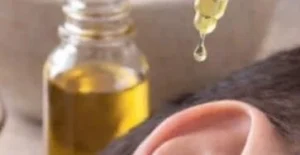
Have you ever heard someone say that putting just two drops of a natural ingredient into your ear can restore your hearing? It sounds simple, affordable, and almost too good to be true. For people experiencing muffled hearing, ringing in the ears, or difficulty understanding conversations, the promise of getting their hearing back with a few drops can be especially appealing. Put 2 drops in your ear and you will hear like before. Recover your hearing
But can two drops really bring back lost hearing?
The truth is that some ear drops can help with specific problems, particularly earwax buildup, which may cause temporary hearing difficulties. However, no household oil, herbal mixture, or homemade remedy has been scientifically proven to reverse permanent hearing loss.
Understanding why your hearing has changed is the first step toward finding the right solution. In this detailed guide, we’ll explore common causes of hearing loss, safe ear-care practices, the role of ear drops, and practical ways to protect your hearing.
Can Two Drops Really Restore Your Hearing?
The idea behind the two-drop remedy is usually connected to the possibility of softening hardened earwax.
Earwax is a natural substance produced inside the ear canal. It helps trap dust, dirt, and other particles while protecting the delicate skin inside the ears.
Sometimes, however, earwax accumulates and becomes hard. When this happens, it can partially or completely block the ear canal.
This blockage may cause:
-
Muffled or reduced hearing
-
A sensation of fullness inside the ear
-
Ringing or buzzing sounds
-
Ear discomfort
-
Itching inside the ear
-
Difficulty hearing conversations clearly
When earwax is responsible for the problem, appropriate earwax-softening drops may help improve hearing after the blockage clears.
However, this does not mean that two drops can repair damaged hearing nerves or reverse age-related hearing loss.
According to the NHS, olive oil or almond oil may be used to soften earwax in certain people. These oils help loosen the wax rather than regenerate damaged hearing cells.
NHS+1
What Causes Hearing Loss?
Hearing difficulties can develop for several different reasons. Identifying the underlying cause is essential because the treatment depends on the type of hearing problem.
1. Earwax Buildup
One of the most common reasons for temporary hearing difficulties is excessive earwax.
Although earwax is beneficial, too much can become trapped inside the ear canal and block sound from reaching the eardrum properly.
People may notice that sounds seem distant, voices become muffled, or one ear feels more blocked than the other.
The good news is that hearing caused by earwax blockage often improves once the wax is safely removed.
2. Age-Related Hearing Changes
As people get older, the delicate structures inside the inner ear can gradually become less effective.
This condition is commonly called presbycusis.
Common signs include:
-
Difficulty understanding conversations.
-
Trouble hearing high-pitched sounds.
-
Frequently asking people to repeat themselves.
-
Difficulty hearing in crowded restaurants.
-
Increasing the television volume.
Unfortunately, ordinary ear drops cannot reverse age-related damage to the inner ear.
3. Exposure to Loud Noise
Listening to loud music, working around machinery, attending concerts, and using headphones at high volumes can damage the sensitive structures responsible for hearing.
Repeated exposure may gradually reduce hearing ability.
Protecting your ears from excessive noise is one of the most important ways to prevent further damage.
4. Ear Infections
Ear infections can cause swelling, discomfort, fluid buildup, and temporary changes in hearing.
Some infections affect the outer ear, while others involve the middle ear.
Symptoms may include:
-
Ear pain
-
Fever
-
Fluid coming from the ear
-
Pressure or fullness
-
Reduced hearing
The appropriate treatment depends on the type of infection. Random oils or homemade drops should not be used to treat an ear infection.
5. Inner Ear or Hearing Nerve Problems
The inner ear contains delicate structures that convert sound vibrations into electrical signals that travel to the brain.
Damage to these structures or the hearing nerve can cause sensorineural hearing loss.
Unfortunately, ordinary oils, garlic mixtures, and herbal drops cannot repair this type of damage.
Are Olive Oil Drops Helpful for Blocked Ears?
An evidence-based option for certain cases of earwax buildup.
Olive oil is sometimes recommended for people who have hardened earwax.
Its purpose is to soften the wax so that it can move out of the ear naturally.
The NHS describes the following approach for suitable adults with suspected earwax buildup:
-
Lie on your side with the affected ear facing upward.
-
Apply 2–3 drops of olive oil or suitable pharmacy earwax-softening drops.
-
Remain in that position for approximately 5–10 minutes.
-
Follow the recommended instructions for the product or pharmacist’s advice.
The NHS describes repeating this process 3–4 times daily for 3–5 days for its olive oil self-care guidance.
NHS
Important safety precautions:
Do not use ear drops if you have a perforated eardrum unless a healthcare professional specifically recommends them. Seek medical advice first if you have ear pain, discharge, bleeding, an ear infection, previous ear surgery, or ear tubes.
Olive oil is not a treatment for permanent hearing loss.
Natural Ingredients That People Commonly Discuss for Ear Health
Many traditional remedies are promoted online as natural solutions for hearing problems. It is important to understand what science actually supports.
1. Olive Oil
Olive oil may help soften hardened earwax.
It does not restore damaged hearing nerves, reverse age-related hearing loss, or cure tinnitus.
2. Garlic Oil
Garlic is commonly discussed in traditional remedies because it contains compounds with antimicrobial properties.
However, there is insufficient reliable clinical evidence that putting garlic oil into the ear restores hearing.
Garlic preparations can also irritate delicate ear tissues. Avoid homemade garlic mixtures inside the ear.
3. Coconut Oil
Coconut oil is frequently promoted for skin moisturizing and other traditional uses.
However, there is no reliable clinical evidence that coconut oil repairs the inner ear or restores hearing.
It should not be presented as a proven hearing-loss treatment.
4. Vitamin B12
Vitamin B12 supports normal nerve function and the production of healthy blood cells.
A deficiency can cause neurological problems, so correcting a confirmed deficiency is important for overall health.
However, taking additional vitamin B12 has not been established as a general cure for hearing loss.
5. Antioxidant-Rich Foods
A balanced diet containing fruits, vegetables, nuts, seeds, and other nutritious foods supports overall health.
These foods provide important vitamins and minerals, but no particular food has been proven to regenerate damaged hearing cells.
How to Safely Improve Your Ear Health
Although there is no magic remedy for hearing loss, several habits can help protect your ears.
1. Keep the Outside of Your Ears Clean
Clean only the outer ear with a soft, clean cloth. Avoid inserting cotton swabs, hairpins, or other objects into the ear canal.
2. Protect Your Ears From Loud Sounds
Use appropriate hearing protection around loud machinery, concerts, and other noisy environments.
3. Avoid Excessive Headphone Volume
Keep headphone volume at a comfortable level and take regular listening breaks.
4. Treat Ear Infections Properly
If you experience ear pain, discharge, fever, or reduced hearing, consult a healthcare professional rather than experimenting with homemade drops.
5. Schedule a Hearing Test
A hearing test can help determine whether your hearing difficulties are related to earwax, the middle ear, or damage to the inner ear.
6. Avoid Unnecessary Ear Cleaning
Earwax is not something that needs to be completely removed. It normally protects the ear and moves outward naturally.
Warning Signs You Should Never Ignore
Sudden hearing loss is different from ordinary earwax buildup.
If your hearing suddenly decreases in one or both ears, seek emergency medical evaluation immediately, ideally within 24 hours. Do not wait to see whether olive oil or another home remedy works.
Sudden sensorineural hearing loss can occur over hours or a few days. Prompt medical assessment is important because treatment may be time-sensitive.
NIDCD+1
Other warning signs include:
-
Sudden ringing accompanied by hearing loss.
-
Severe dizziness or loss of balance.
-
Ear bleeding or fluid discharge.
-
Severe ear pain.
-
Hearing loss accompanied by facial weakness or numbness.
If facial weakness or other stroke symptoms occur, seek emergency medical help immediately.
Medical Treatments That May Help Restore or Improve Hearing
The right treatment depends on the cause of hearing loss.
| Cause | Possible treatment |
|---|---|
| Earwax blockage | Appropriate earwax-softening drops or professional removal |
| Ear infection | Cause-specific medical treatment |
| Middle-ear fluid | Medical assessment and appropriate management |
| Age-related hearing loss | Hearing aids or other specialist options |
| Inner-ear damage | Hearing aids or cochlear implants in suitable cases |
| Sudden sensorineural hearing loss | Urgent specialist assessment and potentially corticosteroid treatment |
Hearing aids can make conversations and everyday sounds easier to hear. Cochlear implants may help some people with severe or profound hearing loss who do not benefit sufficiently from conventional hearing aids.
NHS+1
Frequently Asked Questions
1. Can two drops of olive oil restore hearing?
Two or three drops may help soften earwax when wax buildup is causing temporary hearing difficulties. They cannot repair damaged hearing nerves or reverse permanent hearing loss.
2. What is the best natural remedy for blocked ears?
For suitable people with earwax buildup, olive oil or pharmacy-approved earwax-softening drops may help. However, blocked ears can have other causes, so persistent symptoms should be examined.
3. Can hearing loss be reversed naturally?
Some temporary hearing problems can improve when their underlying cause is treated. However, there is no scientifically proven natural remedy that reverses permanent sensorineural hearing loss.
4. Does garlic oil improve hearing?
There is insufficient reliable scientific evidence that garlic oil restores hearing. Homemade garlic oil should not be placed inside the ear.
5. Can earwax cause ringing in the ears?
Yes. Impacted earwax can sometimes cause tinnitus, along with muffled hearing and a feeling of fullness.
6. How do I know if my hearing loss is permanent?
You cannot reliably determine this from symptoms alone. An examination and hearing test can help identify the type and possible cause of hearing loss.
7. Can older adults improve their hearing?
Yes. Depending on the cause, older adults may benefit from earwax removal, treatment of underlying conditions, hearing aids, or specialist hearing devices.
Final Thoughts
The promise of restoring hearing with just two drops is attractive, especially for people who struggle with muffled sounds, ringing ears, or difficulty understanding conversations.
Pingback: Aloe Vera Hair Oil - Recipehub